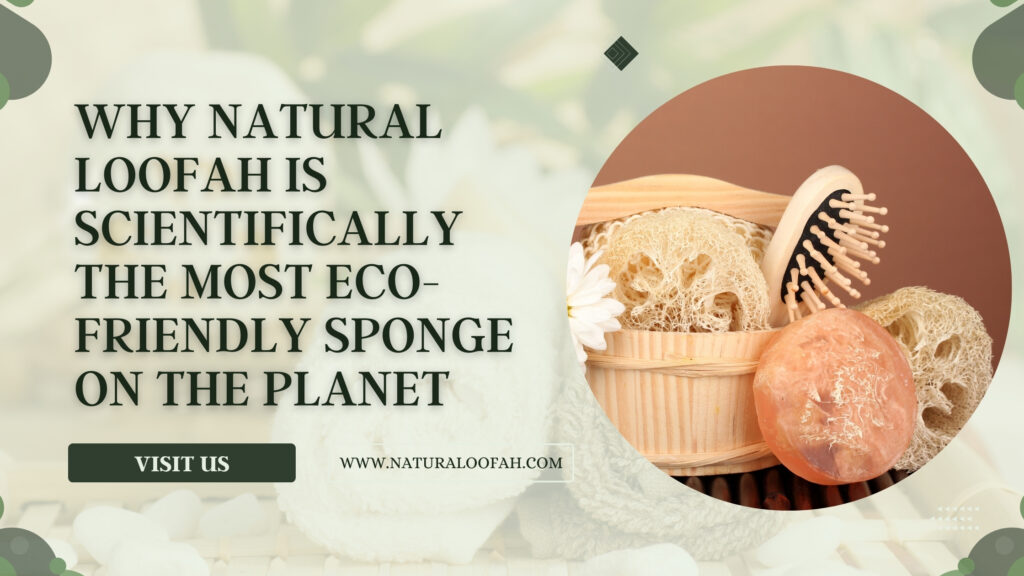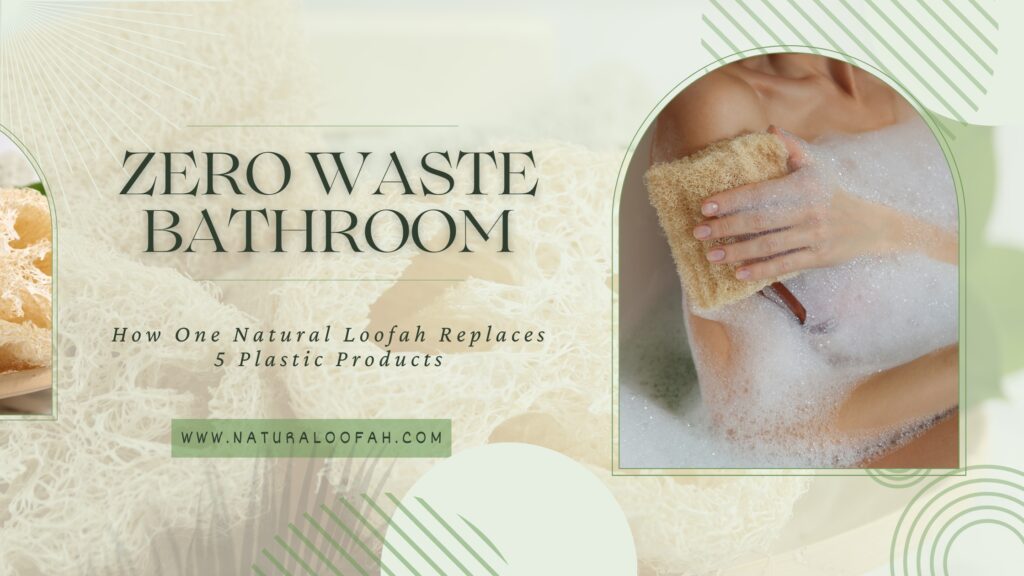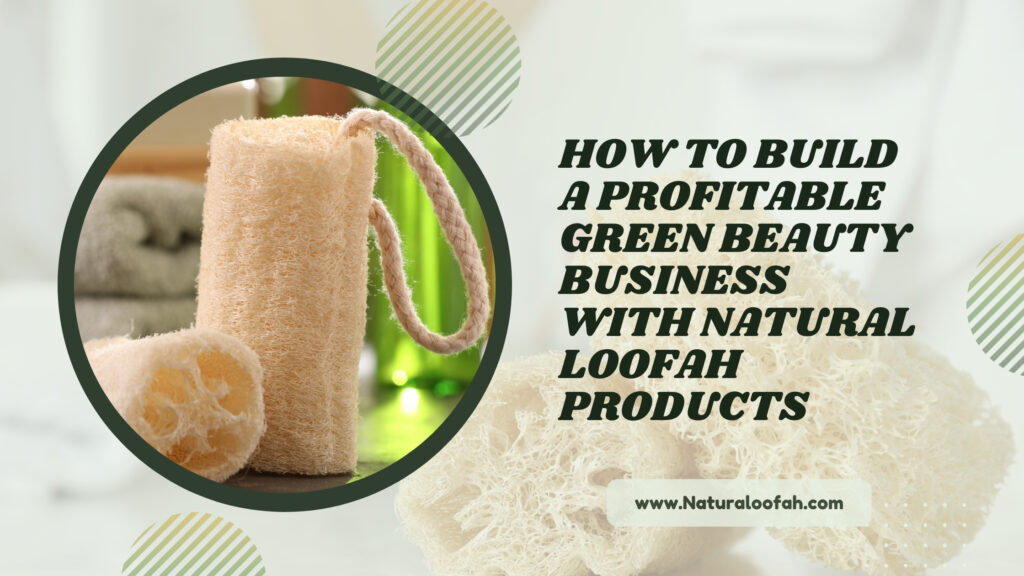
Natural loofah is one of the simplest products in the green beauty category. Many consumers look for plastic-free, biodegradable personal care tools. If you have ever considered launching or expanding a green beauty business with natural loofah products at its core, this guide shows how to start.
At the same time, individual consumers and DIY enthusiasts are discovering the remarkable versatility of loofah sponges for bath use, kitchen cleaning, and even pet grooming. Both sides of this market are hungry for quality, sustainability, and transparency.
In this guide, you will learn exactly how to identify high-quality natural loofah, evaluate suppliers, structure a product line, and position your brand in a competitive green beauty landscape. Whether you plan to import containers of raw loofah for a retail chain or simply want to understand what makes one loofah better than another before your next purchase, every section delivers actionable value. EGEXO has been exporting Egyptian loofah since 2015.
Ready to explore wholesale options right away? You can request a bulk quote or keep reading to build your knowledge first.
Why Natural Loofah Is the Foundation of a Green Beauty Business
Natural loofah occupies a unique position in the green beauty market. Unlike many eco-friendly products that require complex manufacturing or synthetic alternatives blended with natural ingredients, a loofah sponge is a plant. It grows on a vine, dries naturally, and arrives at the consumer ready to use with virtually zero industrial processing. This simplicity is both its appeal and its competitive advantage.
Why Consumers Choose Natural Loofah Over Synthetic Alternatives
The shift away from plastic mesh poufs and synthetic sponges is driven by environmental awareness. Consumers now actively seek products that will not spend centuries in a landfill.
How to Evaluate Natural Loofah Quality for Your Green Beauty Business
Whether you are sourcing hundreds of units for a retail store or picking one loofah for your own shower, quality evaluation follows the same core principles. Understanding these principles separates informed buyers from those who end up with disappointing products.
The Five Quality Markers Every Buyer Should Know
Not all natural loofahs are equal. Growing conditions, harvest timing, and post-harvest processing create significant differences in the finished product. Here are the five markers that matter most.
Fiber density determines how well a loofah exfoliates and how long it lasts. Even, well-formed fibers indicate a gourd that matured fully on the vine before harvest. Thin, loosely structured fibers suggest premature harvesting or poor growing conditions.
Color consistency reveals processing quality. A good natural loofah displays an even, light golden to pale cream tone throughout. Dark spots, excessive browning, or artificially bleached whiteness all signal quality issues.
Elasticity and resilience matter for both performance and shelf life. A quality loofah should compress when squeezed and spring back to its original shape quickly. Stiff, brittle fibers break down rapidly during use.
Seed and membrane cleanliness shows how carefully the loofah was processed after harvest. Seeds and inner membrane residue should be completely removed. Leftover material creates mold risk and reduces performance.
Aroma is an often overlooked indicator. A clean, faintly earthy scent is normal. Any musty or chemical smell suggests improper drying or treatment with harsh bleaching agents.
You can evaluate these markers firsthand by requesting samples before committing to a larger purchase. Samples are paid and the buyer pays the shipping. The sample cost is credited to your first order of $1,000 or more, placed within 60 days.
Building Your Natural Loofah Product Line for a Green Beauty Business
A successful green beauty business with natural loofah at its core does not rely on a single product. The versatility of the loofah plant supports a diverse product catalog that serves multiple customer segments and price points.
Product Categories That Drive Revenue
The most profitable loofah-based businesses build their catalog across at least three of the following categories.
Bath and body loofahs remain the highest-volume category. These include full loofah cylinders, sliced rounds, back scrubbers with handles, and exfoliating pads. Egyptian body loofah products form the backbone of most green beauty product lines.
Kitchen and household loofahs represent a segment as consumers move away from plastic dish sponges. Natural kitchen loofah scrubbers offer excellent scrubbing power for dishes, countertops, and cookware without releasing microplastics into waterways.
Raw and unprocessed loofah appeals to the DIY and craft community. Artists, soap makers, and craft enthusiasts purchase raw loofah scrubbers to incorporate into handmade soap bars, decorative items, and custom wellness products.
Pet and spa grooming loofahs serve a niche but loyal customer base. Groomers, veterinarians, and pet owners use specially sized pet and spa loofah products for gentle coat cleaning.
For businesses ready to create branded product lines, EGEXO offers private label manufacturing and custom product design services that allow you to bring unique loofah products to market under your own brand. This is where many green beauty entrepreneurs differentiate themselves from competitors selling generic products.
Sourcing Natural Loofah: Supplier Selection for Your Green Beauty Business
The supplier you choose will define your product quality, your margins, your reliability, and ultimately your brand reputation. This decision deserves careful analysis whether you are placing your first small order or switching from an underperforming current supplier.
Supplier Evaluation Checklist
| Evaluation Criteria | What to Look For | Red Flags |
|---|---|---|
| Growing Region | Egyptian Nile Delta | Unspecified or frequently changing origins |
| Quality Control Process | Products checked before packing | No quality control documentation provided |
| Certifications | ISO certificates for the management system | Inability to produce certification documents |
| Sample Availability | Willing to send samples before bulk commitment | Requiring large orders without samples |
| Minimum Order Quantities | Clear minimum order terms | Unreasonably high minimums for first orders |
| Communication Response Time | Quote reply within 24 hours | Slow or inconsistent communication |
| Export Documentation | Full compliance with international trade requirements | Incomplete or missing export paperwork |
| Custom Capabilities | Private labeling and custom sizing available | Only standard products with no customization |
EGEXO has been exporting Egyptian loofah since 2015. Loofah from own and partner farms in the Nile Delta, processed in EGEXO’s own factory. Read about EGEXO’s farm to export process.
You can review the full product range and specifications in the EGEXO product catalog to compare sizes and packaging options before reaching out.
Launching and Scaling Your Green Beauty Business with Natural Loofah
Moving from idea to profitable business requires a structured approach. The following process works for both physical retail launches and online direct-to-consumer brands.
Step by Step Launch Process
Step 1: Market Research and Niche Selection. Identify whether you will focus on luxury spa products, everyday consumer goods, kitchen essentials, or a multi-category approach. Analyze local competition and online market gaps. Determine your ideal customer profile for both retail and wholesale channels.
Step 2: Supplier Partnership and Sample Testing. Request samples from at least two to three potential suppliers. Test products personally for fiber quality, durability, scent, and visual appeal. Evaluate supplier communication, pricing flexibility, and MOQ requirements. To check Egyptian loofah quality, request samples from EGEXO. Samples are paid and the buyer pays the shipping. The sample cost is credited to your first order of $1,000 or more, placed within 60 days.
Step 3: Brand Development and Packaging Design. Create a brand identity that communicates sustainability, quality, and authenticity. Design packaging that highlights the natural origin and eco-friendly nature of your products. Consider compostable or minimal packaging to align with your green positioning.
Step 4: Initial Inventory Order and Quality Verification. Place your first bulk order based on sample approval. Verify that the delivered batch matches the sample quality exactly. Document any quality variations and communicate them to your supplier immediately.
Step 5: Sales Channel Setup. Build your online store, approach local retailers, or set up marketplace listings. Create educational content around your products that positions your brand as a green beauty authority. Include usage guides, care instructions, and sustainability information with every product.
Step 6: Marketing Launch and Customer Acquisition. Focus initial marketing on the sustainability story behind your products. Share the journey from Egyptian loofah farm to customer bathroom. Use social media, content marketing, and community partnerships to build awareness. Feature the natural origin and biodegradability of your loofah products.
Step 7: Scale Through Diversification and Wholesale. Once retail sales stabilize, expand into wholesale by offering your branded products to spas, hotels, and boutique retailers. Add new product categories based on customer feedback. Increase order volumes with your supplier to improve per-unit costs.
Sustainability and Environmental Impact of a Natural Loofah Green Beauty Business
Building a green beauty business with natural loofah is not just about marketing claims. The environmental credentials of natural loofah are measurable, verifiable, and genuinely significant.
Environmental Impact Comparison
| Environmental Factor | Natural Loofah | Plastic Mesh Pouf | Synthetic Sponge |
|---|---|---|---|
| Raw Material | Renewable Plant Fiber | Petroleum-Based Plastic | Petroleum-Based Foam |
| Biodegradability | 100 Percent Compostable | Not Biodegradable | Not Biodegradable |
| Microplastic Release | Zero | High During Every Use | Moderate to High |
| Water Usage in Manufacturing | Minimal Post-Harvest Washing | Significant Industrial Use | Significant Industrial Use |
| End of Life Options | Compost or Garden Use | Landfill Only | Landfill Only |
These facts resonate with consumers and provide wholesale buyers with powerful selling points for retail partners who increasingly demand verifiable environmental data.
Communicating Sustainability to Your Customers
Consumers respond to specific data more than vague claims. Instead of saying your products are “eco-friendly,” tell your customers that natural loofah is 100% biodegradable. Share the fact that zero microplastics enter waterways from natural loofah use. Reference the agricultural practices of your supplier and link to resources like the EGEXO farm to export process page to give customers full transparency into how their product was grown and processed.
This level of transparency builds the kind of brand loyalty that drives repeat purchases and word-of-mouth referrals, the two most cost-effective growth engines for any green beauty business.
See the full EGEXO range on the Products page.
FAQ Section
Q1: What makes natural loofah a good foundation for a green beauty business?
A: Natural loofah is an ideal foundation for a green beauty business because it is 100 percent plant-based, biodegradable, and versatile across multiple product categories including bath, kitchen, and pet care. Its sustainability credentials are verifiable and resonate deeply with eco-conscious consumers.
Q2: What is the minimum order quantity for wholesale natural loofah?
A: No minimum order on standard products. Private label from 1,000 units.
Q4: What makes Egyptian loofah different?
A: Egyptian loofah is grown in the Nile Delta region, which provides nutrient-rich soil and consistent warm temperatures. Egyptian loofah is softer, with a looser fibre weave than Asian loofah. EGEXO has been exporting Egyptian loofah since 2015.
Q5: Can I create my own branded loofah product line?
A: Yes. Private label and custom loofah manufacturing services allow you to create your own branded product line without investing in farming or production facilities. EGEXO offers private label services including custom sizing, packaging design, branding, and labeling. No minimum order on standard products. Private label from 1,000 units. This approach lets you focus on marketing and sales while your supplier handles cultivation, processing, and quality control.
Q6: How do I verify the sustainability claims of a loofah supplier?
A: Verify sustainability claims by asking for the supplier’s documents, checking client references, and asking how the product is processed. Reputable suppliers will readily share their farm to export documentation.
Expert Insight from EGEXO
EGEXO has been exporting Egyptian loofah since 2015. Never compromise on raw material quality. Egyptian loofah is softer, with a looser fibre weave than Asian loofah. Loofah from own and partner farms in the Nile Delta, processed in EGEXO’s own factory. We encourage every new buyer to request samples and test them personally. Samples are paid and the buyer pays the shipping. The sample cost is credited to your first order of $1,000 or more, placed within 60 days. Request a quote.
Conclusion
Building a profitable green beauty business with natural loofah products is a realistic and rewarding opportunity in 2026. The product itself carries genuine environmental credentials that require no exaggeration to communicate effectively.
Success in this space depends on three core pillars: sourcing the highest quality natural loofah available, building a diversified product line that serves multiple customer segments, and communicating your sustainability story with specific, verifiable data rather than vague claims. A supplier with clear standards and clear terms makes every other part of your business easier.
Whether you are a spa owner stocking treatment rooms, a retailer expanding your eco-friendly product selection, or a consumer choosing a better bath sponge, the natural loofah market rewards those who prioritize quality and authenticity.
Key Takeaways:
- Natural loofah is 100% biodegradable and versatile across bath, kitchen, pet, and craft products
- Quality evaluation starts with five key markers: fiber density, color consistency, elasticity, seed cleanliness, and natural aroma
- EGEXO has been exporting Egyptian loofah since 2015, with private label and custom product design
- Product diversification across bath, kitchen, pet, and raw loofah categories maximizes revenue potential and customer lifetime value
- Transparent sustainability communication with specific data builds lasting customer trust and brand loyalty
Ready to experience Egyptian loofah quality?
- For wholesale orders: Request a quote or request samples