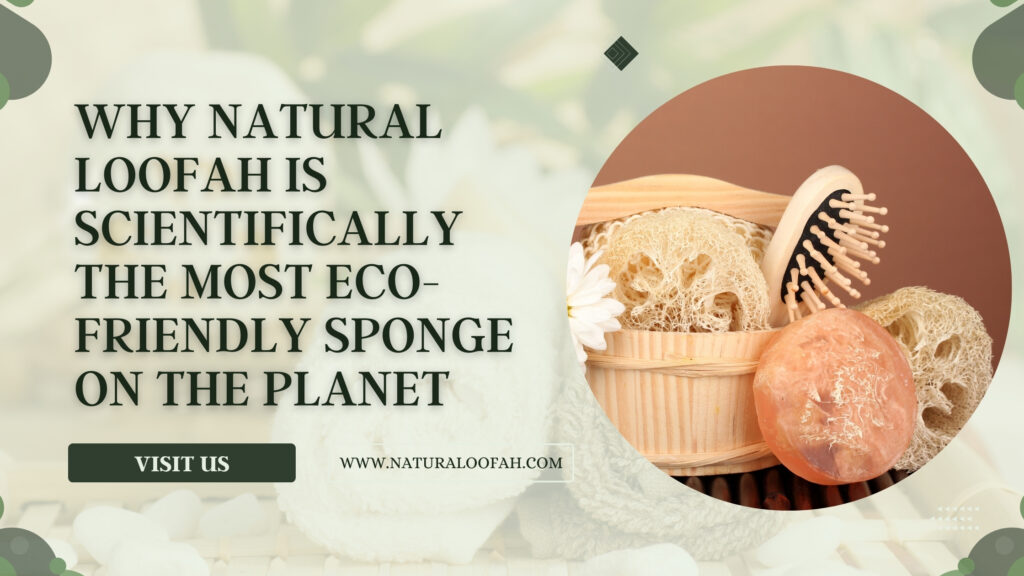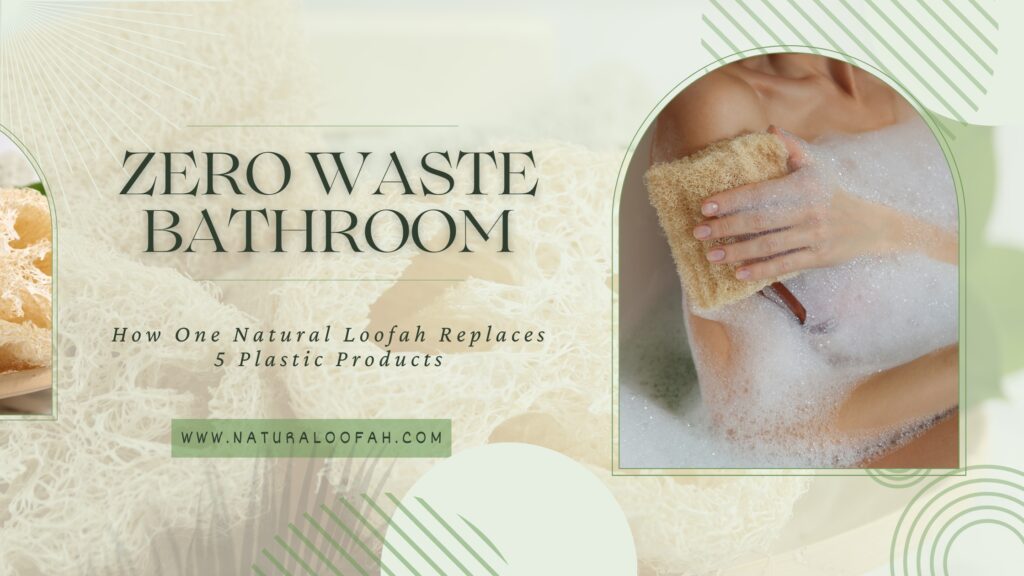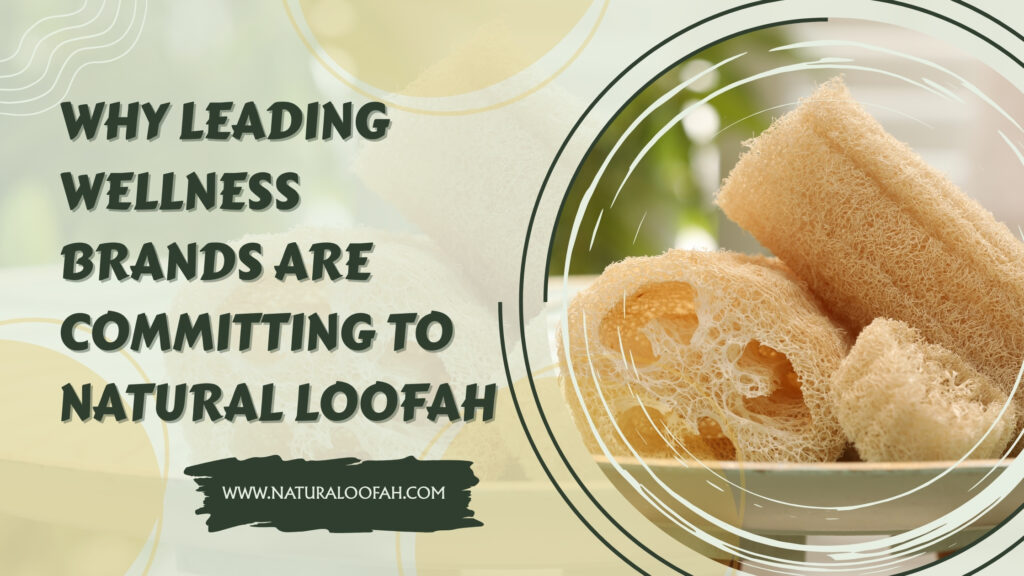
Many brands are replacing plastic mesh poufs and synthetic sponges with plant-based, biodegradable loofah. The wellness brands natural loofah trend is shaping the bath and body market in 2026.
This shift is not just a passing fad. It reflects a deeper consumer and business demand for products that are genuinely sustainable, effective, and traceable from farm to shelf. Whether you are a spa owner evaluating new product lines, a retailer looking for a reliable wholesale partner, or an individual consumer searching for a better way to exfoliate, the natural loofah movement has something meaningful to offer you.
In this guide, you will learn what is driving the natural loofah trend among wellness brands, how to evaluate quality whether you are buying one piece or ten thousand, and what steps you can take to make the switch today. We will also break down sourcing strategies, and practical care tips so that every reader walks away with actionable knowledge.
The Wellness Brands Natural Loofah Trend Explained
Why the Industry Is Moving Away from Synthetics
The reason is straightforward. Consumers have become educated about the environmental cost of plastic in their bathrooms. Synthetic shower poufs shed microplastic fibers, and most end up in landfills where they sit for a very long time.
Wellness brands recognized this liability early. Companies that built their reputation on clean ingredients realized their product packaging and accessories needed the same scrutiny. Natural loofah, which is the fibrous interior of the Luffa aegyptiaca gourd, is 100 percent plant-based, fully biodegradable, and compostable at end of life. That alignment with clean beauty values is what makes the wellness brands natural loofah trend so powerful and so durable.
The Consumer Demand Behind the Shift
They are reading labels, asking questions, and choosing brands that walk the talk on sustainability. For individual shoppers, switching to a natural loofah is one of the simplest zero-waste swaps available. It breaks down naturally once discarded.
For businesses, this demand translates directly into revenue. If you are ready to see the range, browse the Products page.
Why Choose Egyptian Natural Loofah
Climate, Soil, and Cultivation Expertise
Not all loofah is created equal. The Luffa aegyptiaca plant thrives in hot, dry climates with nutrient-rich soil, and the Nile Delta region offers those conditions. Our standard loofah is not bleached. Bleaching is done only on request. The Nile Delta region provides the perfect combination of temperature, humidity, and soil minerals that produce loofah with dense, uniform fibers, strong tensile strength, and a naturally lighter color that requires no chemical bleaching.
Egyptian loofah has been cultivated for generations. Farmers in this region pass down techniques for planting, irrigation, harvest timing, and fiber processing that simply cannot be replicated overnight in other growing regions.
EGEXO has been exporting Egyptian loofah since 2015. Loofah from own and partner farms in the Nile Delta, processed in EGEXO’s own factory.
Natural Loofah vs Synthetic Alternatives: A Full Comparison
One of the most common questions from both buyers and consumers is how natural loofah stacks up against synthetic options. The comparison is worth examining across multiple dimensions, including performance and sustainability.
Natural Loofah vs Synthetic Sponge Comparison
| Factor | Natural Egyptian Loofah | Synthetic Mesh Pouf | Plastic Sponge |
|---|---|---|---|
| Material | 100% Plant Fiber | Nylon/Polyester | Polyurethane Foam |
| Microplastic Shedding | Zero | High | Moderate |
| Exfoliation Quality | Superior, natural texture variation | Moderate, uniform and soft | Low to moderate |
| End of Life | Compost or garden mulch | Landfill | Landfill |
Natural loofah is a plant fibre that is 100% biodegradable and sheds no microplastic fibers.
The Business Case for Retailers and Distributors
For B2B buyers, natural loofah is a plant-based product category that fits brands built on sustainability. You can request a quote tailored to your volume, or get the product catalog to review the range.
The Personal Case for Consumers
If you are shopping for yourself, natural loofah is a plant-based, plastic-free alternative to synthetic sponges and poufs that returns to the soil when you are done with it.
How Wellness Brands Evaluate and Source Quality Loofah
The Supplier Selection Process
Whether you are a brand manager for a national retailer or a small spa owner placing your first order, choosing the right loofah supplier is critical. Here is a checklist that top buyers use when evaluating potential partners.
Supplier Evaluation Checklist
| Criteria | What to Look For | Why It Matters |
|---|---|---|
| Quality Certifications | ISO certificates for the management system | Validates claims for your brand and customers |
| Minimum Order Terms | Clear terms for first orders | Allows testing before committing |
| Private Label Capability | Custom branding, packaging, labeling | Essential for brand identity |
| Sample Availability | Sends physical samples before large orders | Lets you verify quality firsthand |
| Export Documentation | Provides phytosanitary certificates, customs paperwork | Avoids delays and compliance issues |
| Communication | Responsive, transparent, English-fluent team | Critical for ongoing partnership |
EGEXO has been exporting Egyptian loofah since 2015. Loofah from own and partner farms in the Nile Delta, processed in EGEXO’s own factory. EGEXO has teams for private label manufacturing and custom product design. You can request samples to evaluate the product before placing a bulk order. Samples are paid and the buyer pays the shipping. The sample cost is credited to your first order of $1,000 or more, placed within 60 days. No minimum order on standard products. Private label from 1,000 units.
What Consumers Should Look for When Shopping
As an individual buyer, you do not need to evaluate suppliers the way a business does, but you should still know how to identify quality. When shopping for natural loofah online or in stores, look for these signs. The loofah should feel firm but slightly flexible when dry. The color should be light tan to golden without dark blotches or heavy discoloration. The fibers should be even and uniform, not stringy or falling apart. And the product listing should clearly state the country of origin.
Building a Sustainable Loofah Supply Chain for Your Brand or Home
The Farm to Shelf Journey
Understanding where your loofah comes from adds value for both brands and consumers. Transparency in the supply chain is no longer optional. It is a competitive advantage. Here is how the journey works from an Egyptian loofah farm to your bathroom or retail shelf.
Loofah from own and partner farms in the Nile Delta, processed in EGEXO’s own factory. Read about EGEXO’s farm to export process.
Practical Care Tips for Longer Lasting Loofah
Whether you bought one loofah for your shower or a hundred for your spa, proper care extends the product lifespan. After each use, rinse the loofah thoroughly and shake out excess water. Hang it in a well-ventilated spot outside the shower where it can dry completely between uses. Replace your loofah when it wears out.
For businesses, establishing a replacement routine for guest-facing loofah products protects your brand reputation.
The Environmental Case for Going Natural
Natural loofah is a plant fibre that is 100% biodegradable and sheds no microplastic fibers, so it avoids adding plastic waste.
Beyond the Bathroom
Natural loofah is not limited to bath and body use. The same plant fiber works exceptionally well as a kitchen scrubber for cleaning dishes, pots, and surfaces without scratching. It is also gaining popularity in pet grooming and spa applications. For crafters and DIY enthusiasts, raw loofah scrubbers can be cut, shaped, and incorporated into homemade soaps, bath sets, and gift kits.
This versatility is another reason the wellness brands natural loofah trend continues to expand. Brands that start with bath loofah quickly discover opportunities to build entire product lines around this single sustainable material.
For brands that need specific sizes or shapes, the EGEXO custom product design team can work with you. No minimum order on standard products. Private label from 1,000 units.
FAQ Section
Q1: Why are so many wellness brands switching to natural loofah in 2026?
A: The wellness brands natural loofah trend is driven by consumer demand for sustainable, plastic-free bath products. Natural loofah is fully biodegradable and aligns with clean beauty values.
Q2: What is the minimum order quantity for wholesale natural loofah?
A: No minimum order on standard products. Private label from 1,000 units. Samples are paid and the buyer pays the shipping. The sample cost is credited to your first order of $1,000 or more, placed within 60 days.
Q4: What makes Egyptian loofah different from loofah from other countries?
A: Egyptian loofah is grown in the Nile Delta, where the growing conditions suit the crop. Egyptian loofah is softer, with a looser fibre weave than Asian loofah. Egyptian farmers also bring generations of cultivation expertise. EGEXO has been exporting Egyptian loofah since 2015.
Q6: Does EGEXO offer private label loofah manufacturing?
A: Yes. EGEXO provides full private label manufacturing services, including custom branding, packaging design, and labeling. This allows wellness brands, retailers, and spa chains to sell Egyptian loofah under their own brand name with consistent quality. They also offer custom product design for brands that need unique shapes, sizes, or product bundles. No minimum order on standard products. Private label from 1,000 units.
Q7: How does natural loofah compare to synthetic sponges for the environment?
A: Natural loofah is a plant-based, biodegradable alternative. It is 100 percent plant-based and fully compostable, producing zero microplastic pollution. Synthetic sponges are petroleum-based and shed microplastics with every use.
Q8: Where can I buy high quality natural loofah for personal use?
A: You can see the range on the Products page, and request a quote or samples from EGEXO.
Expert Insight from EGEXO
EGEXO has been exporting Egyptian loofah since 2015. Always prioritize fiber quality over size. Loofah from own and partner farms in the Nile Delta, processed in EGEXO’s own factory. For wholesale buyers, we suggest starting with a sample order across a few products. Samples are paid and the buyer pays the shipping. The sample cost is credited to your first order of $1,000 or more, placed within 60 days. Request a quote.
Conclusion
The wellness brands natural loofah trend reflects a shift in how the beauty, wellness, and hospitality industries think about sustainability and product quality. EGEXO has been exporting Egyptian loofah since 2015. Loofah from own and partner farms in the Nile Delta, processed in EGEXO’s own factory.
Whether you are a distributor scouting your next product line, a spa owner, or a consumer ready to ditch plastic in your shower, natural loofah is a plant-based option.
Key Takeaways:
- The wellness brands natural loofah trend is driven by demand for sustainable, plastic-free personal care products.
- Egyptian loofah is softer, with a looser fibre weave than Asian loofah
- EGEXO has been exporting Egyptian loofah since 2015
- Natural loofah is a plant fibre that is 100% biodegradable and sheds no microplastics
- Proper care, including thorough drying between uses, keeps a loofah in good condition
Ready to experience Egyptian loofah quality?
- For wholesale orders: Request a quote or request samples